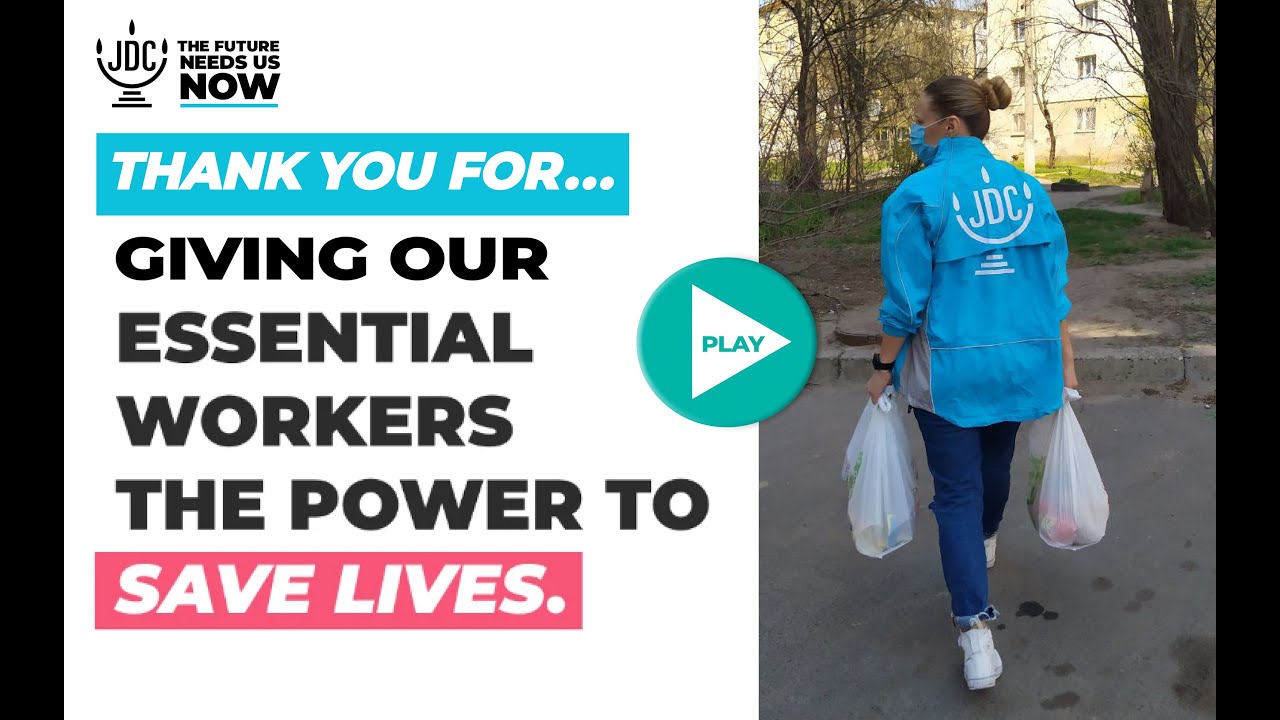
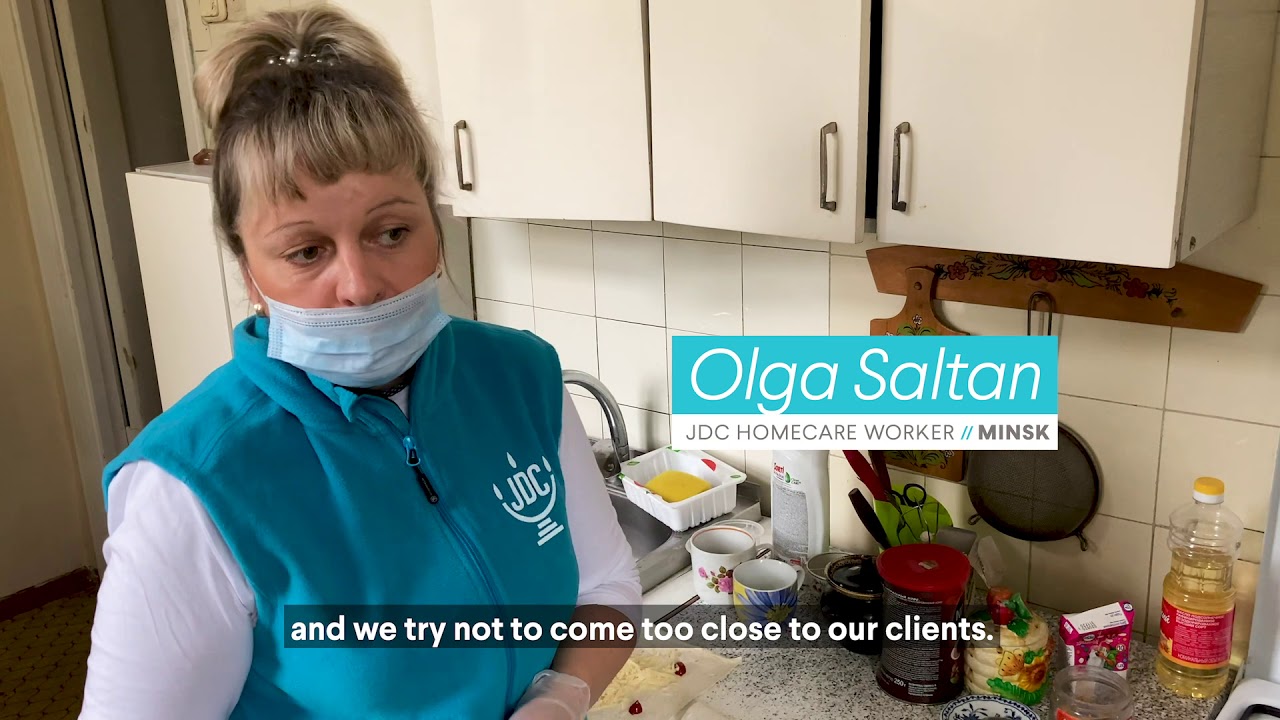
Each day, tens of thousands of disadvantaged Jews around the world depend on JDC for lifesaving services including homecare and basic necessities like food and medicine. As the pandemic advanced and transformed daily life, the needs of these Jews intensified. We responded urgently, ensuring the most vulnerable could continue to depend on us, even during a global crisis.
Aiding the World’s Poorest Jews
Using our emergency funding and existing infrastructure, including JDC’s vast network of Hesed social welfare centers, we continued to meet the needs of our most vulnerable clients. During the pandemic, these centers distributed food and medicine, trained homecare workers, and provided critical health and safety information to isolated elderly Jews with nowhere else to turn. In addition, more than 6,000 volunteers from 44 JDC-supported Volunteer Centers were immediately deployed to help their community — making essential deliveries of food and medicine, tutoring children online, and helping the elderly maintain connections with friends and family by teaching them how to use smartphones.
The pandemic also created a secondary crisis for many of our elderly clients: isolation and loneliness. In response, we launched hotlines and expanded our volunteer-led call centers in the FSU where, in the past year, more than 123,000 calls were made. We also started JOINTECH, an innovative program designed to keep our clients connected to community activities through specially designed smartphones for the elderly. Beginning with a pilot in Moldova and Ukraine, this program is now expanding across the FSU.
Supporting Jewish Families
Amidst rising unemployment and debt, the pandemic has resulted in the emergence of new poor families and elderly turning to their local Jewish communities for support for the first time. In Europe, Latin America, and North Africa, JDC responded to calls for help by leveraging its strong ties with Jewish communities to aid families in need.
To assist this new class of Jewish poor, JDC, along with several key partners, developed the Emergency Humanitarian Relief Fund, which complemented local welfare efforts by supporting families in distress, distributing aid to more than 1,600 families in the last year.
In addition, volunteers mobilized to assist parents with childcare. For many children, stuck at home and in need of school help, JDC sent local volunteers to assist them with their homework. Meanwhile, more than 9,000 children in the FSU – many with disabilities – have received monthly financial aid for food, medicine, and other basics.